CNG Cylinder Hydro Testing Procedure at Jilu Auto Gas
CNG cylinder hydro testing is a mandatory safety procedure conducted as per PESO and Government of India regulations. At Jilu Auto Gas, we follow a strict and professional testing process to ensure every cylinder meets safety and compliance standards. Below is the complete step-by-step procedure followed at our facility.
Step 1: Cylinder Collection and Documentation
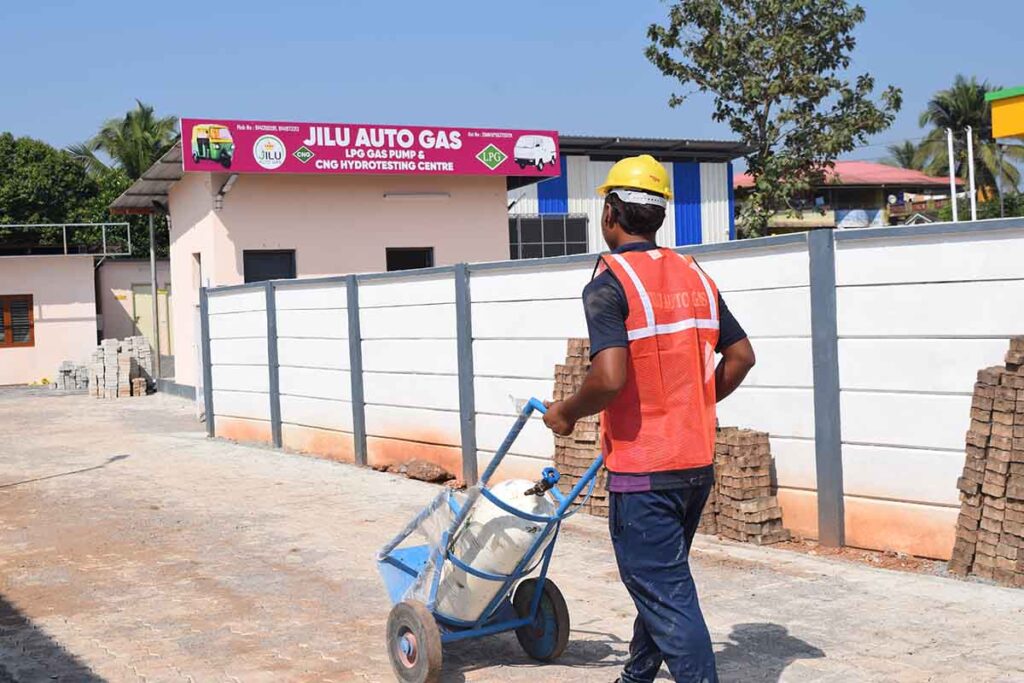
At Jilu Auto Gas, the process begins by collecting the cylinder from the designated storage platform. Our technicians record all important cylinder details, including:
- Cylinder number
- Manufacturer name
- Date of last hydro test
- Water capacity
- Tare weight
This ensures proper identification and compliance tracking.
Step 2: Degassing and Valve Inspection
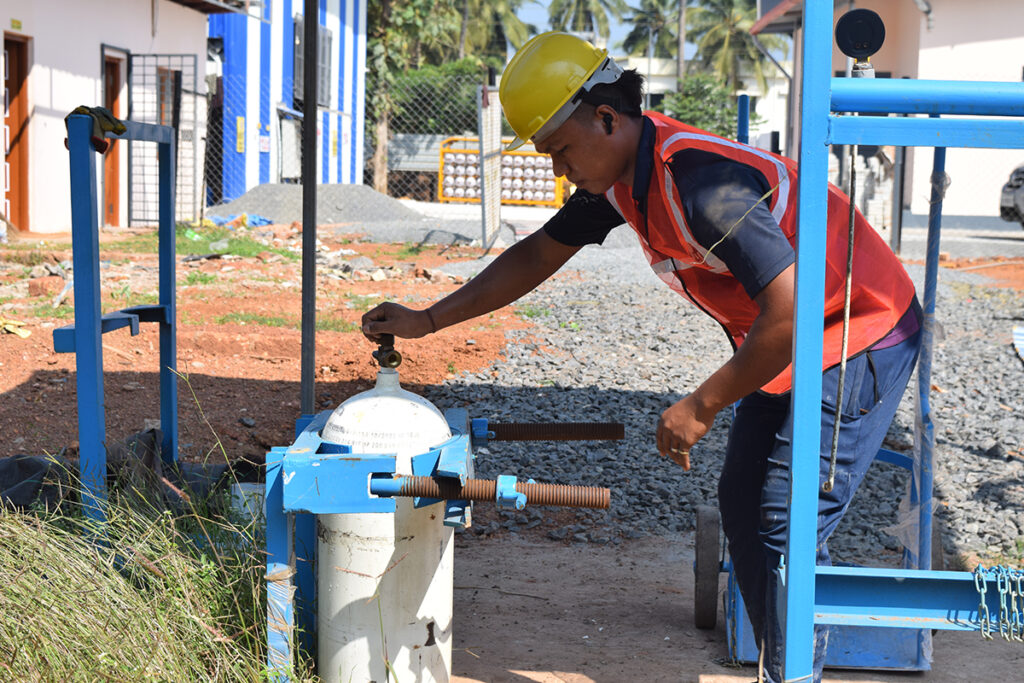
The cylinder is then moved to the degassing platform at Jilu Auto Gas, where:
- Remaining gas is safely released
- Valve threads and cylinder neck are inspected
- Valve condition is checked for safety and functionality
- Oil or internal contaminants are removed
This step ensures the cylinder is safe for further testing.
Step 3: Gas Removal and External Cleaning
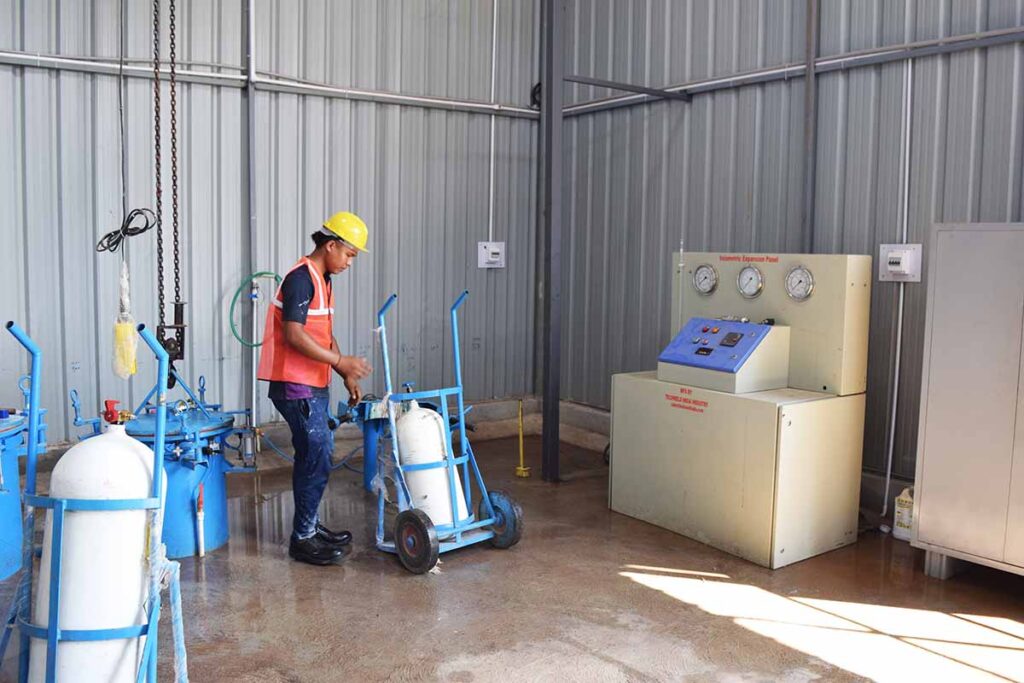
At Jilu Auto Gas, we ensure complete gas removal and cleaning by:
- Performing nitrogen purging or filling the cylinder with water
- Checking gas presence using a combustible gas leak detector
- Ensuring no gas remains inside the cylinder
- Washing the cylinder externally using detergent solution
This prepares the cylinder for detailed inspection.
Step 4: Visual Inspection
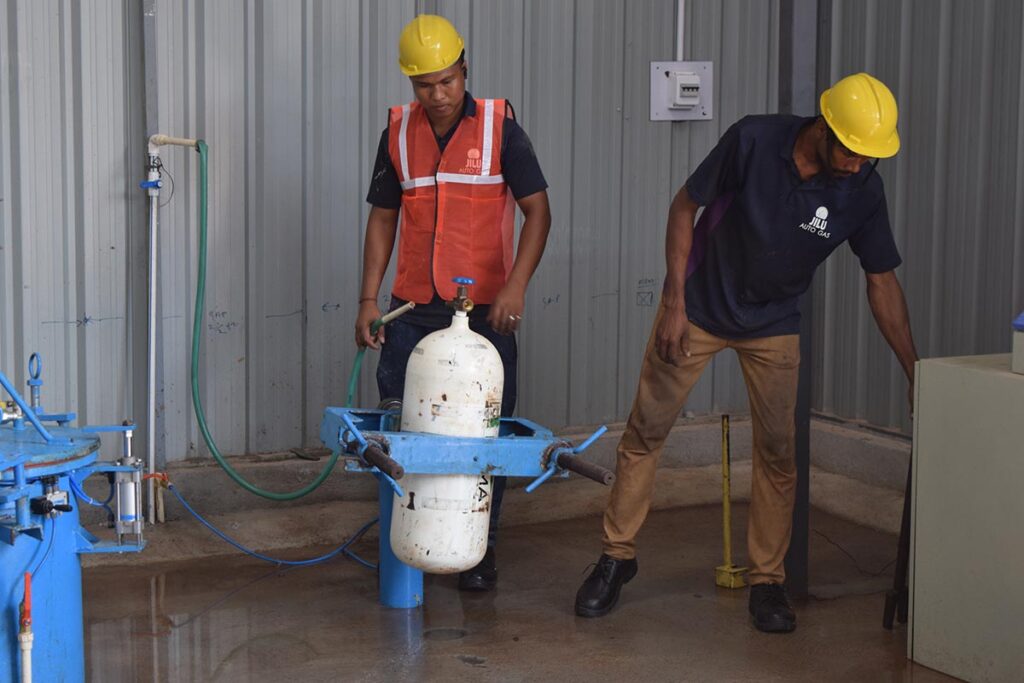
Our trained technicians at Jilu Auto Gas perform a thorough visual inspection to identify any visible defects such as:
- Cuts
- Dents
- Bulges
- Rust
- Burns
- Shape deformities
Any cylinder with major visible damage is flagged for further evaluation.
Step 5: Internal Inspection and Cleaning
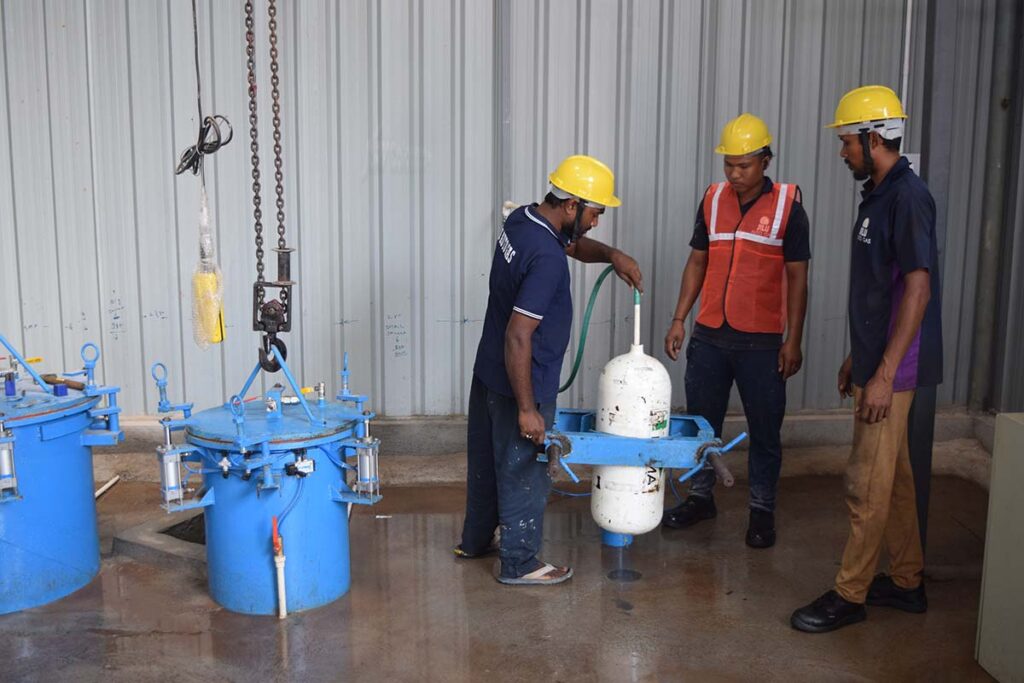
At Jilu Auto Gas, internal inspection is performed using professional equipment, including:
- DC inspection lamps for internal visibility
- Ultrasonic flaw detectors to identify cracks, holes, or defects
- Boroscope inspection to detect corrosion pits or internal damage
We also clean the cylinder internally using approved chemical solutions and wire brush machines to remove corrosion or deposits.
Step 6: Weight Verification
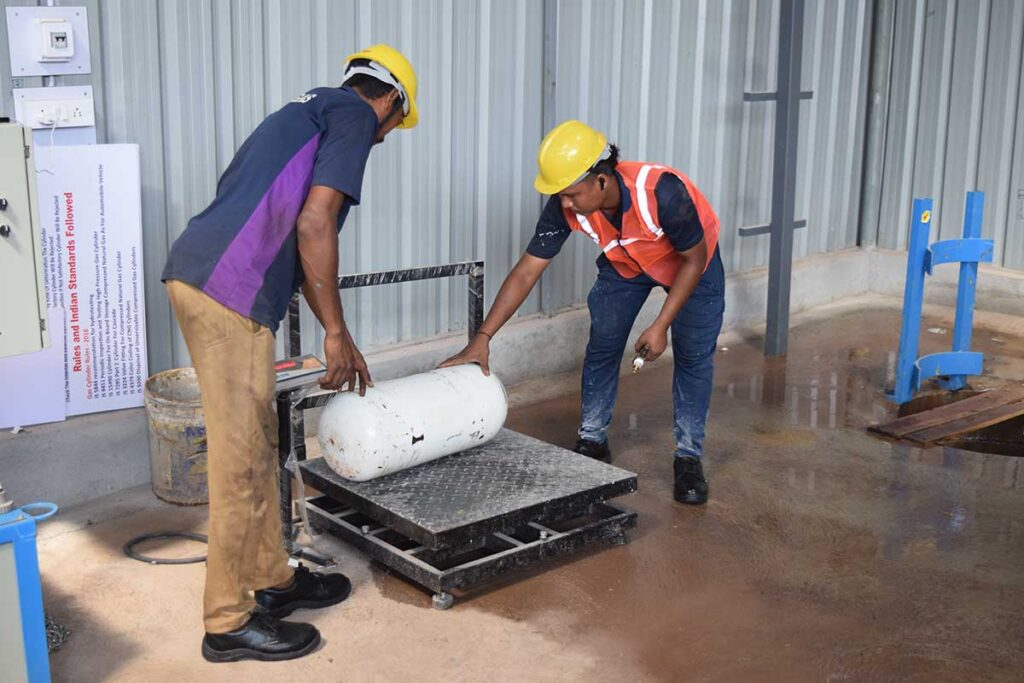
The cylinder is weighed using a calibrated weighing machine at Jilu Auto Gas.
- If weight loss exceeds 5% of the original tare weight, the cylinder is rejected
- This ensures the structural integrity of the cylinder
Step 7: Thickness Measurement
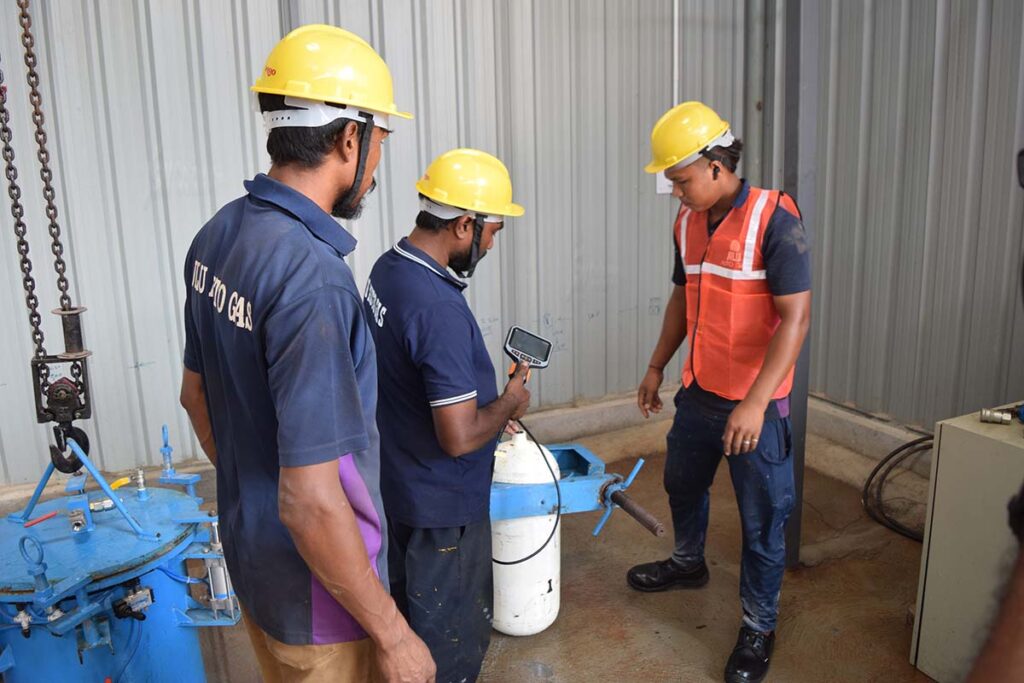
At Jilu Auto Gas, cylinder thickness is checked at multiple points including:
- Top section
- Middle section
- Bottom section
This helps ensure the cylinder meets safety thickness standards.
Step 8: Hydrostatic Pressure Testing
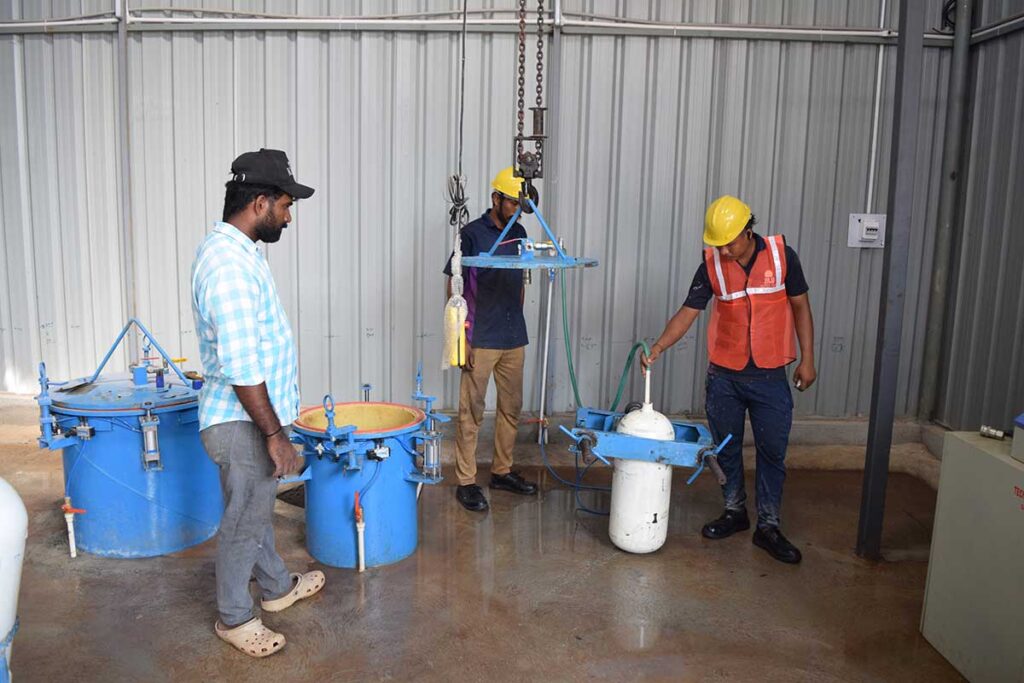
Hydro testing is the most critical step performed at Jilu Auto Gas. The process includes:
- Filling the cylinder completely with water
- Connecting the cylinder to hydro testing equipment
- Applying controlled pressure
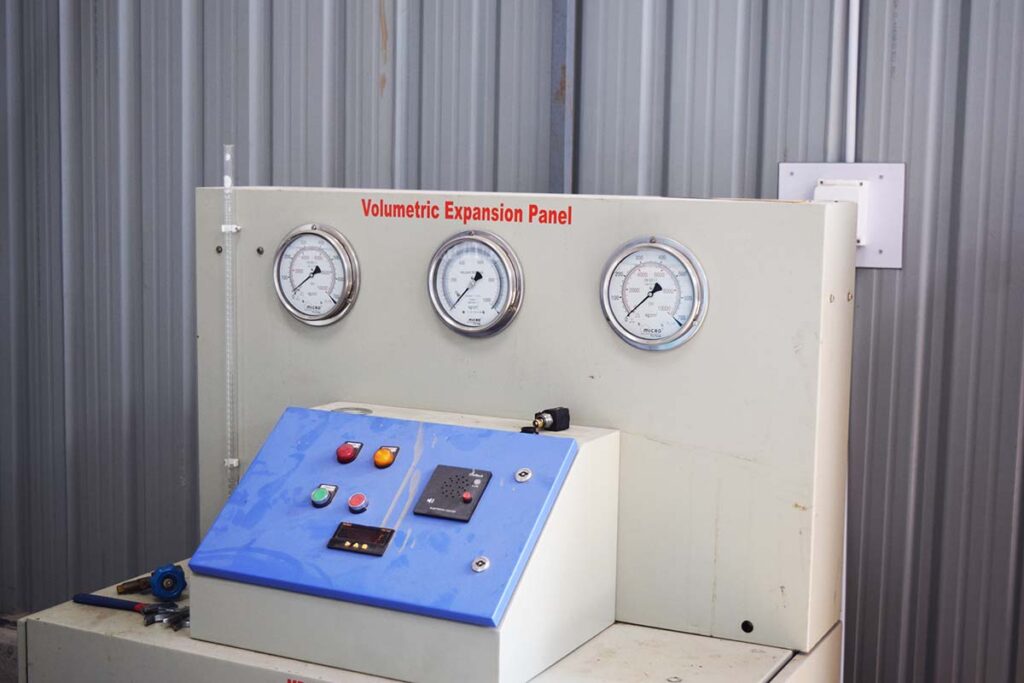
- Recording expansion readings before, during, and after pressurization
We calculate:
- Total expansion
- Permanent expansion
- Expansion percentage
If permanent expansion exceeds 10%, the cylinder is rejected as per safety standards.
Step 9: Drying and Repainting
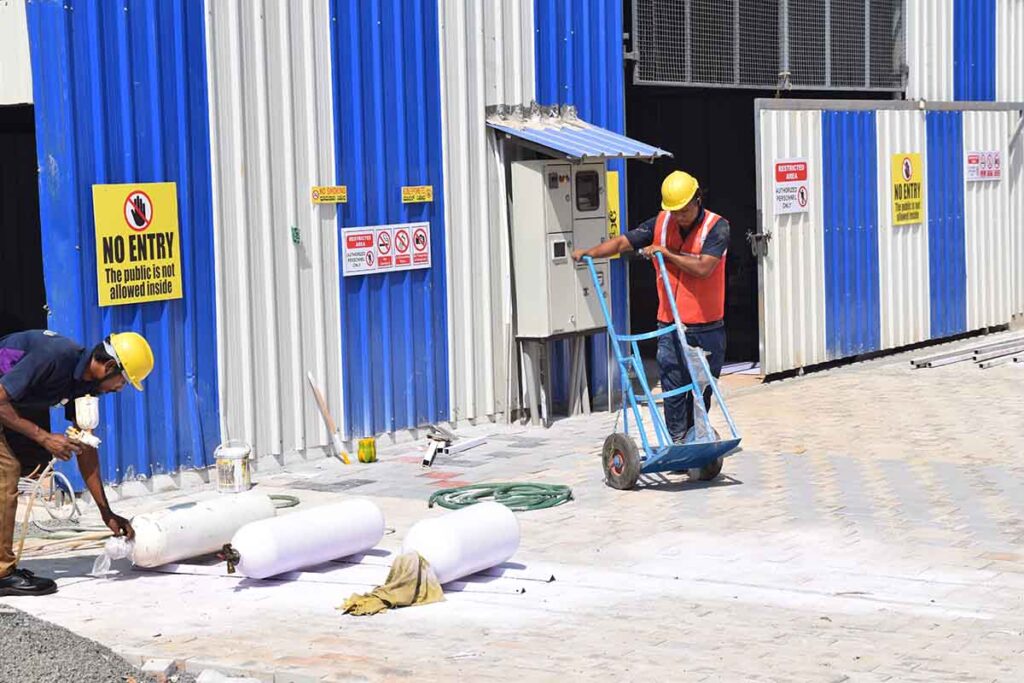
After hydro testing, Jilu Auto Gas performs:
- Water drainage from the cylinder
- Drying using a heater blower
- Repainting of the cylinder for protection
- Valve refitting with proper sealing
We also mark the cylinder with:
- Company code
- Test date
- Next test due date
Step 10: Final Leak Testing
At Jilu Auto Gas, nitrogen gas is filled in the cylinder to perform final leak testing. This ensures the valve and cylinder are completely leak-free and safe for use.
Step 11: Certification
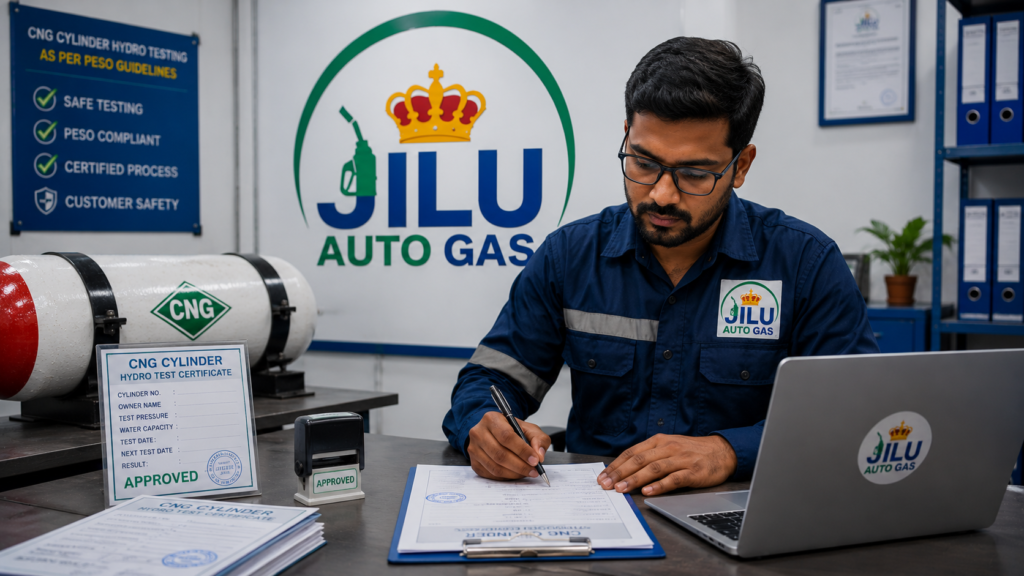
Once the cylinder passes all required tests, Jilu Auto Gas issues an official hydro testing certificate. This confirms that the cylinder is safe, compliant, and approved for use as per government regulations.
Why Choose Jilu Auto Gas for CNG Cylinder Testing
At Jilu Auto Gas, we follow government-approved PESO standards and use professional testing equipment to ensure maximum safety, accuracy, and compliance. Our certified technicians ensure every cylinder is thoroughly inspected and tested before certification.